 Patient Portal
For people who dread the dentist or need a lot of work done in one visit, sedation dentistry can feel like a game changer. Relaxing through a procedure sounds ideal, and for many patients it truly is. But sedation isn’t a one-size-fits-all solution, and certain factors can make it a poor match. Here are some signs it may not be the right choice for you.
You Aren’t Anxious or Facing a Long Procedure
Sedation is meant to ease fear, tension, or the strain of a lengthy appointment. If you feel comfortable in the chair and your treatment is straightforward, like a routine cleaning or a small filling, you probably don’t need it. You don’t need a formal diagnosis of dental anxiety to benefit, but if you aren’t nervous, local numbing is often plenty. Skipping sedation also means less medication to think about and less to manage afterward.
Your Age or a Pregnancy Raises the Stakes
Children can be sedated when there’s a genuine need, but it calls for careful evaluation and strict safety guidelines. Some older adults also have health conditions that make certain types of sedation riskier.
Pregnancy is another major consideration. Dentists generally avoid sedation during pregnancy, particularly oral and IV options, and nitrous oxide is typically off the table in the first trimester. If you are or might be pregnant, say so before any appointment.
Allergies, Medications, and Alcohol Can Complicate Things
Many oral and IV sedatives belong to a drug class called benzodiazepines. If you’re allergic, your dentist may be able to use an alternative, but not always. Your current medications matter too. Prescriptions, over-the-counter products, vitamins, and herbal supplements can all interact with sedatives, making them less effective or causing unwanted side effects.
Alcohol is another no-go beforehand. Mixing it with sedation can lower your blood pressure and make breathing harder, so if nerves are getting the best of you, talk to your dentist instead of pouring a drink.
Breathing Problems Change the Equation
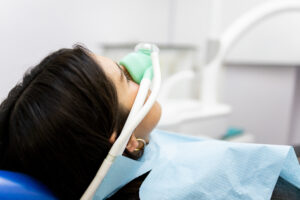
Nitrous oxide is inhaled through the nose, so congestion from a cold or allergies can keep it from working properly. Chronic bronchitis or other respiratory disease is a bigger concern, since sedatives can slow your breathing. Sleep apnea matters as well, especially with IV sedation. Even without an official diagnosis, loud snoring or constant daytime fatigue is worth mentioning.
Honesty Is the Best Preparation
The safest way to find out whether you’re a good candidate is a full, candid review of your medical history with your dentist. Being a poor fit for one type of sedation doesn’t always rule out another, and there are other ways to feel more at ease, such as open communication, breaks during treatment, and effective numbing. Share everything, even details that seem unrelated, so your dentist can make the safest call for you.
About the Practice
Baytown Gentle Dental in Baytown, TX, offers general, family, restorative, and cosmetic dentistry in a welcoming, comfortable office. Dr. Ashraf Seif, a general dentist with more than 20 years of experience, has completed continuing education in oral sedation and provides nitrous oxide and IV sedation for patients who need extra comfort. Dr. Nilesh Jindal brings a special interest in oral surgery, esthetic dentistry, and dental implants. To find out whether sedation is right for you, call (281) 837-9122 or contact us to schedule a consultation.