 Patient Portal

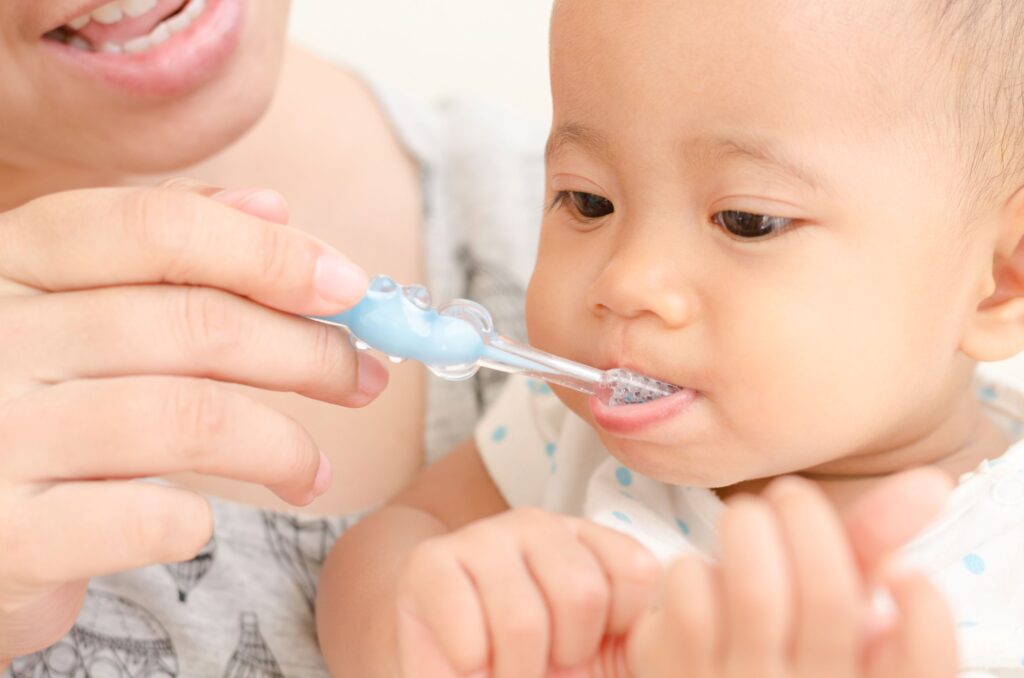
Many well-meaning parents mistakenly assume that there’s no need to worry about their child’s oral health until they’ve developed a mouth full of teeth. However, if you wait too long to start brushing and flossing, they’re likely to develop issues, such as cavities or gum disease, by the time they have their first dental visit.
If you’re unsure how to care for your child’s smile, continue reading to learn more about how you can help keep their mouth clean to avoid potential problems until they’re old enough to take on that task themselves!
Can Babies Develop Oral Issues?
It’s easy to assume that your baby’s mouth must be healthy if you haven’t noticed obvious areas of concern or if they haven’t yet grown any teeth to develop cavities. Others might think that early dental problems aren’t ‘that big a deal’, because kids eventually lose their primary teeth to make space for their adult ones to erupt.
But the unfortunate truth is that your little one’s mouth is full of bacteria, and while some are helpful and necessary, others can potentially cause disease or decay that can affect their gums, jawbone, and dental development even before their baby teeth arrive.
When Do I Need to Start Cleaning My Child’s Mouth?
Although it’s possible for kids to develop oral issues as early as in their infancy, there are thankfully several ways to help them build and maintain a happy, healthy smile. For instance, many experts recommend wiping their gums down with a clean cloth, piece of gauze, or paper towel at least twice daily, especially after feedings and before bedtime.
This is partly because babies survive on milk, and whether they are nursing or are bottle-fed, their mouths are exposed to sugar and germs that can cause gum disease. If left unaddressed, the infection can progress and spread to their jaw, which can negatively affect their dental development. Regularly cleaning their gums helps prevent periodontal problems and preserves their oral health.
When Should Children Start Brushing and Flossing?
It’s natural to wonder when you can start brushing your child’s teeth, and the American Dental Association recommends beginning as soon as their first tooth arrives. You use a small, child-sized soft-bristle toothbrush and a rice-grain-sized dollop of fluoridated toothpaste to gently scrub their enamel.
It’s also suggested that you schedule a dental exam and cleaning when their first tooth arrives, usually around their first birthday, and then again every 6 months to monitor their still-developing smile.
If you have additional questions about how you can help protect your baby’s dental health as they grow, you can learn more by contacting your family dentist!
Meet the Author
Dr. Ashraf Seif has 20+ years of experience helping families improve their daily lives by enhancing their dental health. He earned his initial dental degree from the Lattakia University Dental School in Syria, then graduated from the Loma Linda School of Dentistry. Today, he offers a complete menu of services, including routine exams and cleanings, to people of all ages to meet your unique needs under one roof. You can request an appointment on the website or by calling (281) 837-9122.