 Patient Portal

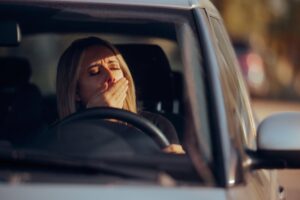
Drowsy driving is a serious and often underestimated public safety issue. For people with untreated sleep apnea, the risk is even greater. Sleep apnea disrupts normal sleep patterns, leading to excessive daytime fatigue that can make driving dangerous, not just for the driver but for everyone on the road.
What is Sleep Apnea?
Sleep apnea is a sleep disorder in which breathing repeatedly stops and starts throughout the night. The most common form, obstructive sleep apnea (OSA), occurs when the airway becomes blocked during sleep. These pauses in breathing reduce oxygen levels and force the brain to wake the body briefly to resume breathing. While many people don’t remember these interruptions, they prevent deep, restorative sleep.
How Sleep Apnea Leads to Drowsy Driving
Because sleep apnea fragments sleep, individuals often wake up feeling unrefreshed, even after a full night in bed. This chronic sleep deprivation causes excessive daytime sleepiness, slowed reaction times, difficulty concentrating, and impaired judgment. When behind the wheel, these effects can be just as dangerous as driving under the influence of alcohol.
Studies have shown that people with untreated sleep apnea are significantly more likely to be involved in motor vehicle accidents. Microsleeps—brief, uncontrollable episodes of sleep that last a few seconds—are especially dangerous while driving at highway speeds.
Warning Signs You Shouldn’t Ignore
Drivers with sleep apnea may not always realize how impaired they are. Common warning signs include struggling to keep your eyes open, drifting out of your lane, missing traffic signs, frequent yawning, or not remembering the last few miles driven. If you experience these symptoms, it’s critical to stop driving and address the underlying cause.
The Real-World Consequences
Drowsy driving accidents tend to be severe. Unlike distracted driving, drowsy drivers often fail to brake or react in time, increasing the likelihood of high-speed collisions. These accidents can lead to serious injuries, fatalities, legal consequences, and emotional trauma for everyone involved.
Reducing the Risk
The most effective way to reduce drowsy driving caused by sleep apnea is proper diagnosis and treatment. Common treatments include CPAP therapy, oral appliance therapy provided by a dentist, lifestyle changes, and weight management. Treating sleep apnea can dramatically improve sleep quality, alertness, and overall health.
Drowsy driving due to sleep apnea is a preventable danger. If you or a loved one snores loudly, experiences daytime fatigue, or struggles to stay awake while driving, it’s time to seek professional help. Treating sleep apnea doesn’t just improve sleep; it can save lives on the road.
About the Author
Dr. Ashraf Seif brings more than 20 years of experience to every patient he treats. He obtained his first dental degree while living in Kuwait and later graduated from the Loma Linda School of Dentistry after moving to the U.S. Over the years, Dr. Seif has completed continuing education courses focused on sleep apnea dentistry and oral sedation and also attended the prestigious Pikos Institute for dental implant training. Currently, he’s an active member of the American Dental Association and the Texas Dental Association.