 Patient Portal

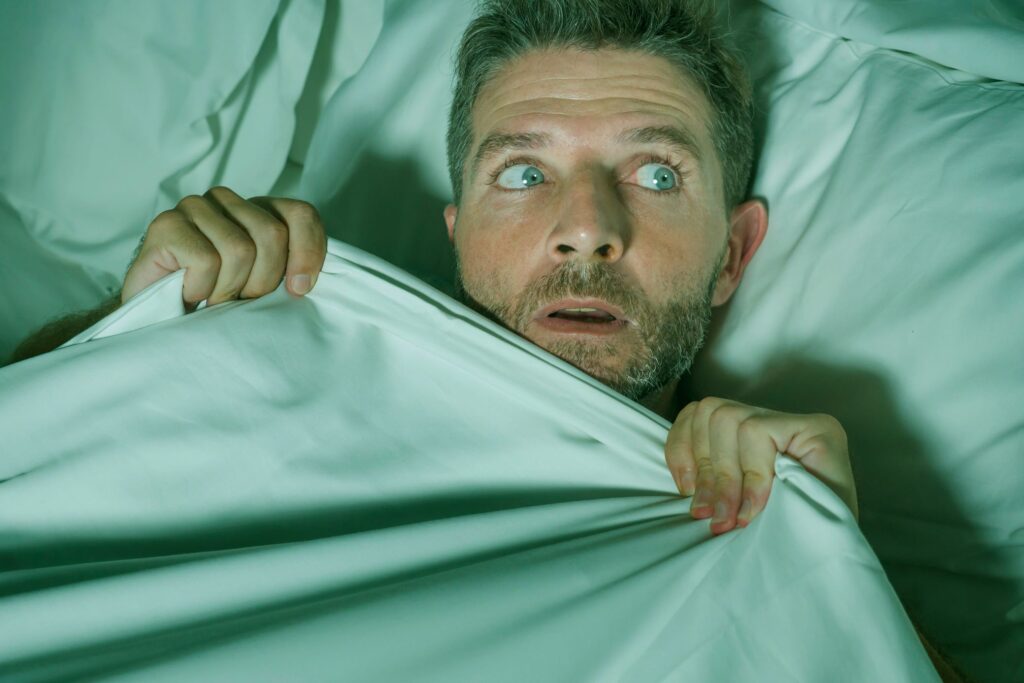
Do you tend to snore at night, wake up feeling drained in the morning, or suffer from mood swings, headaches, and other concerns? If so, you might have developed sleep apnea, a sleep disorder that happens when your breathing repeatedly stops and restarts while you rest.
You can safely assume that leaving your condition untreated can result in some significant oral and general health concerns. However, did you know it might also affect your dreams? Continue reading to learn more about it!
What is Obstructive Sleep Apnea?
There are three types of sleep apnea, though obstructive sleep apnea is the most commonly diagnosed. This condition occurs when your airways are physically blocked, such as by overly tight or narrow throat muscles or excessive tissues, which interrupts your circadian cycles and prevents your body from achieving authentic rest and rejuvenation.
You might not think this disorder is a big deal, but over time, untreated sleep apnea can contribute to other serious issues, such as high blood pressure, Type 2 diabetes, increased risk of heart problems, depression, or anxiety.
Can OSA Impact My Dreams?
If you have noticed that you tend to have scary or stressful dreams that wake you in the middle of the night, there’s a chance that your experiences are associated with obstructive sleep apnea. Most dreaming occurs when your body and brain enter the REM (rapid eye movement) stage, which is accompanied by increased brain activity, faster heart rate and breathing, and temporary muscle paralysis to prevent you from acting out your dreams.
However, because your breathing is interrupted during OSA episodes, you may be more likely to dream about circumstances that result in an accelerated heart rate and shortness of breath, such as being chased, attacked, or terrified.
Does Treating Sleep Apnea Prevent Nightmares?
Several potential treatments can reduce OSA symptoms, including having more intense or frequent nightmares. For example, a 2019 study found that nightmares disappeared in 91% of patients using CPAP (continuous positive airway pressure) machines to regulate breathing at night. Although the exact reason is unknown, some researchers believe that the lack of oxygen to the brain during sleep apnea episodes causes more disturbing dreams.
But that’s not the only way this condition can affect your mind. Regularly interrupted sleep cycles can also interfere with memory formation, make it difficult to concentrate during the day, and contribute to chronic fatigue that can negatively affect your daily life.
If you’re unsure whether OSA is the culprit behind your night terrors, you might learn more by consulting your dentist!
Meet the Author
Dr. Ashraf Seif has 20+ years of experience helping families build and maintain happy, healthy smiles. He grew up in Kuwait and earned his first dental degree from Lattakia University Dental School in Syria, then graduated from the Loma Linda School of Dentistry after relocating to the U.S. Today, he offers a comprehensive menu of services, including sleep apnea treatments, to meet all your needs conveniently under one roof. If you’re eager to reduce nightmares and get a solid night’s rest, you can request an appointment on the website or by calling (281) 837-9122.